Technical Articles
当前位置: 首页 - Resource - Technical Articles
Technical Articles

Why Silicone Foam is the Preferred Sealing Material in Advanced Applications

2026-03-27

In high-performance applications such as electric vehicle (EV) battery systems, sealing is no longer a basic functional requirement—it is a critical factor in ensuring long-term reliability and safety. Exposure to temperature fluctuations, pressure variations, and environmental stress places increasing demands on sealing materials, especially in closed and semi-closed systems.
Traditional sealing materials often struggle to maintain consistent performance over time, particularly under dynamic conditions. As a result, material selection has become a key engineering decision, directly impacting system durability and lifecycle cost.
As an active member of the Gasket Fabricators Association (GFA), Futureway continues to engage with global industry experts to explore advanced sealing technologies and align material solutions with evolving industry standards.

What Makes Silicone Foam Stand Out?
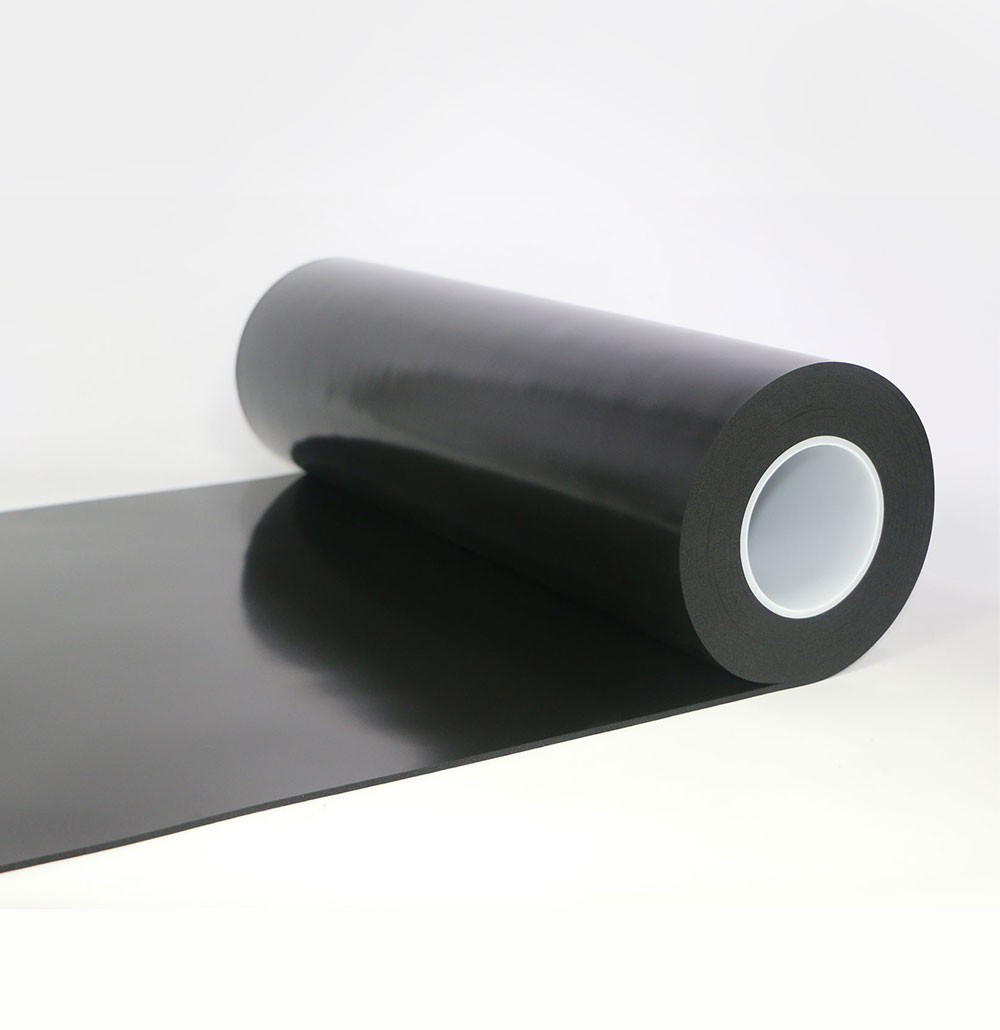
Silicone foam has emerged as a preferred material for sealing applications, particularly where long-term performance and environmental resistance are essential. Its advantages are not only theoretical, but also validated through standardized material testing and long-term performance evaluation.

1. Superior Compression Set Resistance
Silicone foam maintains its elasticity even after prolonged compression, ensuring that the sealing force remains stable over time. This is essential in applications where components are subjected to continuous mechanical stress, such as EV battery enclosures.

2. Excellent Stress Relaxation Performance
Over time, many materials tend to lose their ability to exert sealing force. Silicone foam, however, demonstrates low stress relaxation, allowing it to sustain effective sealing pressure throughout the product lifecycle.

3. Outstanding Thermal Stability
Silicone-based materials are inherently resistant to extreme temperatures. Silicone foam can maintain structural integrity and sealing performance across a wide temperature range, making it highly suitable for battery systems where thermal management is critical.

4. Reliable Sealing under Dynamic Conditions
In real-world applications, sealing interfaces are rarely static. Vibration, expansion, and contraction can all compromise sealing integrity. Silicone foam adapts well to these changes, maintaining a consistent seal even under dynamic operating conditions.

Application Focus: EV Battery Pack Systems
In EV battery pack applications, silicone foam serves as more than just a sealing material. It functions as an integrated solution that enhances overall system reliability:
Cushioning and gap filling, accommodating assembly tolerances
Thermal insulation, supporting temperature management within the system

By combining multiple functional properties into a single material, silicone foam helps simplify design complexity while improving long-term system performance.
As performance expectations for EV battery systems continue to evolve, the role of advanced sealing materials becomes increasingly strategic.
Through active participation in the Gasket Fabricators Association (GFA), Futureway collaborates with global partners to advance material technologies and contribute to the development of industry best practices.
At the upcoming GFA industry forum, Futureway will further share insights into silicone-based material solutions and their role in next-generation sealing applications. This engagement reflects an ongoing commitment to bridging material innovation with real-world engineering challenges.

Return

Related Articles
Contact us for professional solutions